You know the feeling: your heart racing before making a call, your throat tightening during a presentation, or that obsessive analysis of every word spoken after a social interaction. For many, the real world is a minefield where the judgment of others feels permanent and definitive.
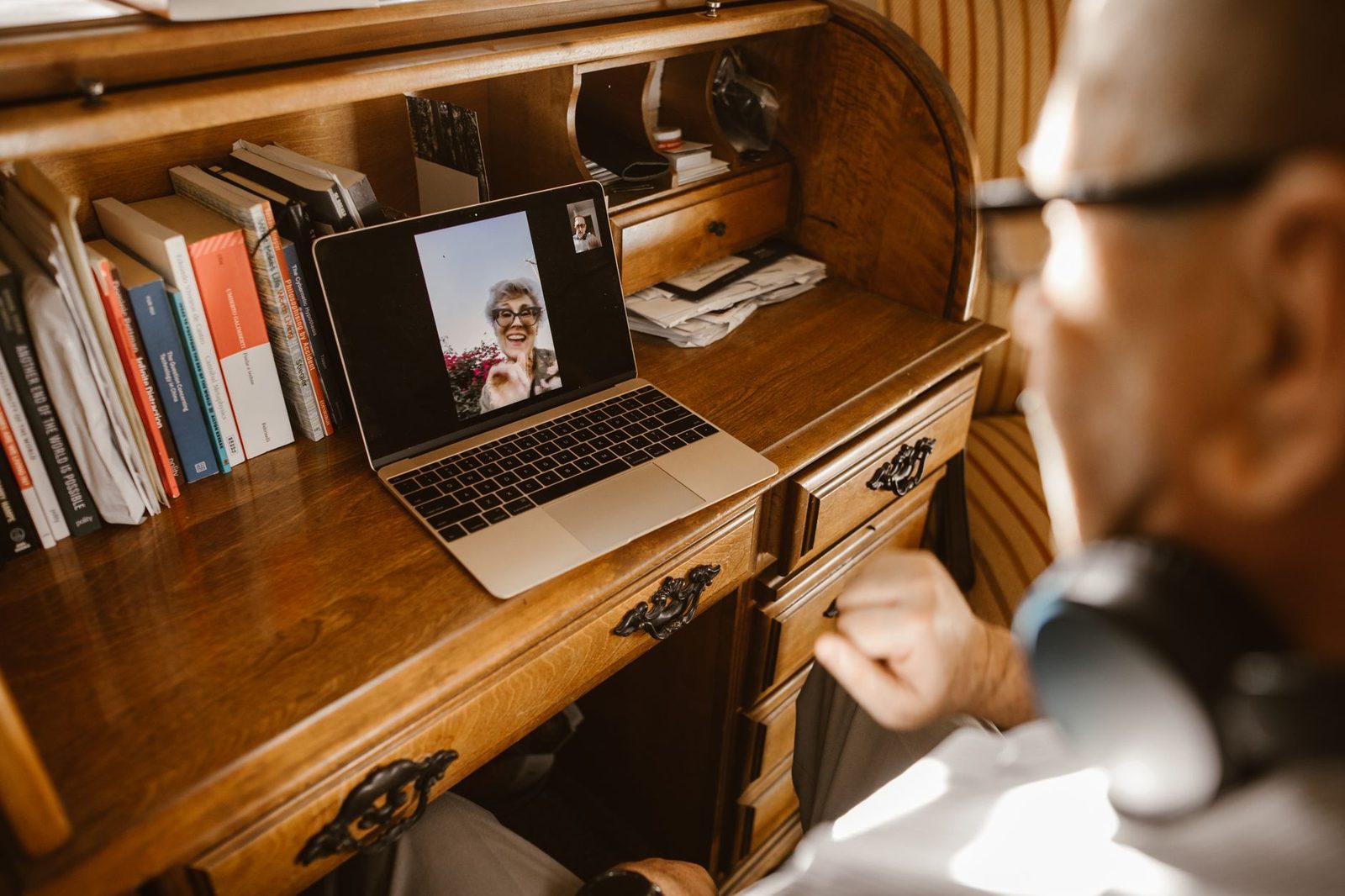
We have already explored here how to ace your first minute of conversation or how to manage mental fatigue after prolonged sessions. But there is a less discussed angle: what if random video chat, often perceived as superficial entertainment, could become a behavioral laboratory? For those suffering from social anxiety, the screen would no longer be a barrier, but a protective shield allowing for a form of social rehabilitation.

The Concept of Graded Exposure Applied to the Web
In Cognitive Behavioral Therapy (CBT), one of the pillars of treating social anxiety is graded exposure. The idea is simple: expose yourself to the source of your fear, but in a controlled and progressive manner, to desensitize the brain to the stressful stimulus.
Random video chat ticks all the boxes for this exercise, provided it is approached methodically:
- Total control of the "Next" button. This is the major psychological element. Unlike a party with colleagues or a date, you hold the power to end the interaction instantly. This sense of control drastically reduces cortisol levels (the stress hormone).
- Lack of social stakes. In real life, a social blunder can have repercussions on your professional or personal reputation. On a random chat platform, you are a stranger among millions. Failure doesn't exist because there is no collective memory.
- Rapid repetition. You can test ten different conversation openers in ten minutes. This repetition allows you to automate social reflexes that, in the physical world, would require months of practice.
To make the experience more comfortable, some users prefer using a headset with a microphone to better isolate themselves from ambient noise and focus on the exchange.
Turning the Session into Training: The Method
Nervously disconnecting as soon as the other person looks at you is not exposure; it is avoidance. For video chat to become a growth tool, you must set tiny, almost ridiculous goals.
Level 1: Eye Contact and Greeting
The goal is not to hold a conversation, but simply to maintain eye contact and say "Hello" with a smile. If anxiety rises too high, click next. Repeat until the simple act of being seen no longer triggers a physical reaction.
Level 2: The Open-Ended Question
Once the greeting is mastered, try a simple question: "Where are you from?" or "What are you up to?". Here, you are working on the ability to initiate the exchange. For those very sensitive to noise, using an ergonomic mouse pad can even help stabilize posture and make one feel more physically "grounded" at their station.
Level 3: Handling Silence
This is the hardest step for the anxious: enduring a lull in the conversation without panicking. Learning that silence is not necessarily a sign of rejection, but a natural breath in the exchange.

Psychological Pitfalls to Avoid
While video chat can be an ally, it can also become a paralyzing refuge. It is crucial to distinguish training from substitution.
The "Digital Comfort Zone" Trap The risk is becoming an expert in online conversation while remaining unable to order a coffee without stuttering. Video chat should be a bridge to reality, not a final destination. The goal is to transfer acquired skills (smiling, active listening, managing silence) into physical interactions.
Managing Brutal Rejection On these platforms, the "zap" is frequent and often arbitrary. For an anxious person, a user who cuts the connection without reason can be experienced as a violent personal rejection. It is important to remember that the other person might zap because they are bored, distracted, or looking for a specific profile. The rejection is not directed at you, but at the ephemeral image you project.
To calm the mind after an intense session, some find it useful to read a self-help book on self-confidence to rationalize the interactions experienced.
Securing Your Mental and Technical Space
You cannot work on your anxiety if you fear for your security. Serenity begins with a controlled environment. We have already emphasized setting up your video corner to avoid revealing your private life, but technical security also plays a psychological role.
Using a webcam with a physical privacy cover allows you to know with certainty when you are "exposed" or not. It is a hardware detail, but for an anxious mind, it is an indispensable guarantee of control. Similarly, ensuring your lighting is flattering (without being artificial) allows you to feel more confident in your image, thus reducing self-criticism during the call.
Conclusion: Toward Regained Sociability
Random video chat, used as an informal behavioral therapy tool, offers a unique opportunity: the chance to make mistakes without consequence. By turning each session into a small personal challenge, you strengthen your social adaptability.
However, keep in mind that this tool does not replace the support of a health professional. If social anxiety deeply hinders your daily life, organizations like Santé publique France or psychologists specializing in CBT are the preferred contacts for structured follow-up. The web is an excellent training ground, but life happens offline.
To optimize your comfort during these exercises, investing in a laptop stand can help you maintain natural eye contact with your interlocutors, avoiding the "bottom-up view" effect that can create a feeling of insecurity or discomfort.